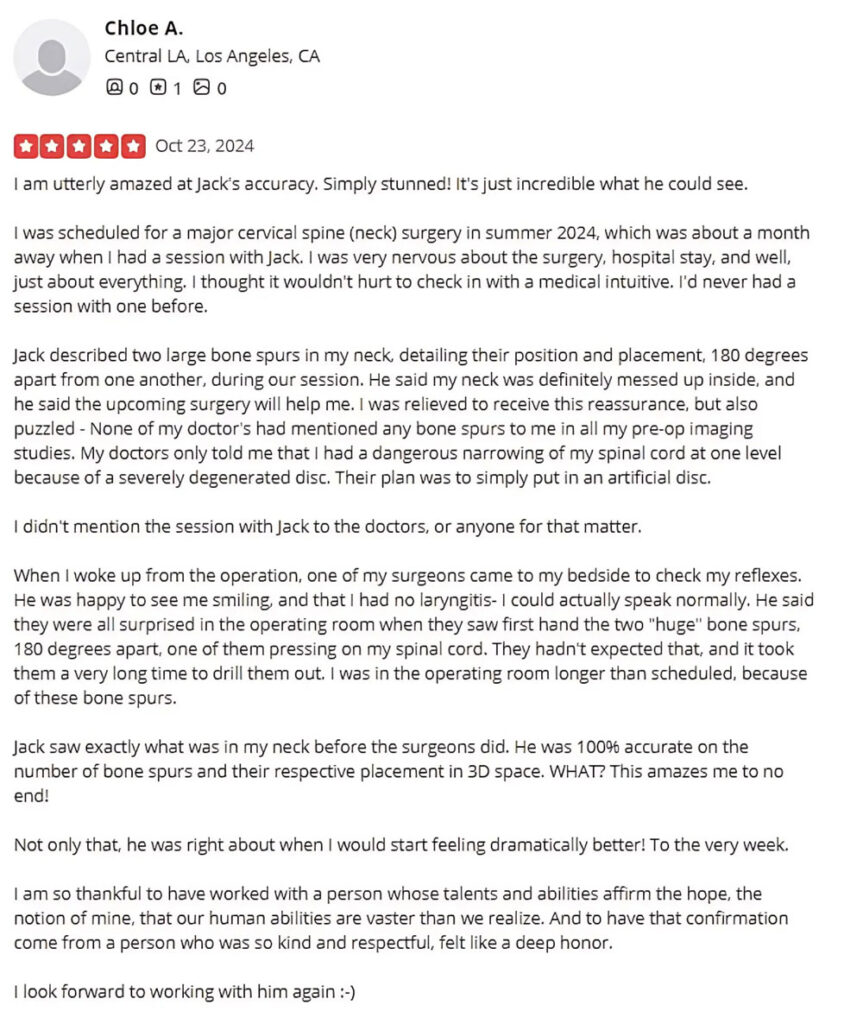
In today’s rapidly evolving world, the pursuit of optimal health often leads individuals to explore a range of healing modalities. Among these, medical intuition has gained traction as a complementary approach to traditional healthcare. While conventional medicine primarily focuses on diagnosing and treating physical ailments, medical intuition delves into the subtle energies and underlying causes that may impact overall wellness.
Medical intuitives assert that they can tap into an individual’s body awareness and spiritual health, offering insights that standard medical tests may not reveal. This approach emphasizes understanding the body’s messages and the significance of energy balance, thus making it a unique addition to the healthcare landscape. It’s crucial to note that medical intuition is not a substitute for conventional medicine but rather an alternative path to achieving holistic well-being.
As more people become open to integrating various practices for a comprehensive approach to health, the balance between medical intuition and traditional healthcare presents an intriguing dynamic. By exploring these paradigms, we may uncover novel ways to enhance both physical and spiritual wellness, fostering a deeper connection to our health and ultimately leading to a more fulfilling life.
Understanding Medical Intuition and Traditional Healthcare
As healthcare continues to evolve, the roles of different approaches catering to both body and spirit become increasingly significant. The intersection of medical intuition and traditional healthcare often sparks curiosity among those seeking a comprehensive path to wellness. This section delves into the essence of these two paradigms, examining their practices and potential for integration.
What is Medical Intuition?
Medical intuition offers a distinctive perspective by focusing on the body’s subtle cues and energy fields. Unlike conventional methods, which rely on tangible evidence and diagnostics, this approach seeks to understand the root causes of ailments through intuitive insights. Medical intuitives often describe their process as tuning into an individual’s auric field to uncover emotional and spiritual imbalances.
Key Characteristics of Medical Intuition:
- Emphasizes the connection between mind, body, and spirit.
- Utilizes intuitive skills to identify underlying issues that may not appear in medical tests.
- Focuses on energy balance and emotional health.
Noted medical intuitive Caroline Myss once said, “The spirit is the life, the mind the builder, the physical the result.” This highlights the holistic foundation upon which medical intuition stands, aiming to address more than just the physical symptoms.
Traditional Healthcare: Science and Practice
Conversely, traditional healthcare is anchored in scientific research and evidence-based practices. It encompasses a wide array of disciplines, from surgery to pharmacology, each with a strong emphasis on diagnosis and treatment based on empirical data. The scientific method is at the heart of this approach, ensuring that treatments are safe, effective, and replicable.
Foundational Aspects of Traditional Healthcare:
- Relies on rigorous testing and clinical trials.
- Focuses on diagnosing and treating physical ailments.
- Utilizes advanced technology for accurate assessments.
The scope and depth of traditional healthcare provide a robust framework for managing various health conditions. However, it often overlooks the holistic aspects of wellness that medical intuition seeks to address.
Bridging the Gap: Integrating Body Awareness and Spiritual Health
Can these seemingly disparate approaches find common ground? As the demand for holistic wellness grows, integrating body awareness with traditional practices becomes increasingly viable. This convergence encourages healthcare practitioners to consider both scientific and intuitive insights, creating a more comprehensive treatment plan.
- Collaborative approaches between medical intuitives and healthcare providers.
- Incorporating mindfulness and stress reduction techniques into traditional treatments.
- Educating patients about the benefits of combining different healing modalities.
According to a study by the National Center for Complementary and Integrative Health (NCCIH), patients who engage in integrative therapies often report improved outcomes and enhanced overall wellness. This suggests a promising future where both medical intuition and traditional healthcare contribute to a balanced, holistic approach to health.
Benefits and Limitations of Each Approach
In exploring the diverse landscape of healthcare, one might wonder: What unique advantages does each approach offer? Both medical intuition and conventional medicine have their own sets of strengths and challenges. Understanding these can help individuals make informed decisions about their health journey.
How Medical Intuition Enhances Wellness
Medical intuition provides a fresh lens through which to view health, focusing on the interconnection of the mind, body, and spirit. By honing in on the body’s energy fields, this approach can unearth emotional and spiritual blockages that might hinder physical health. But what are the tangible benefits?
One notable advantage is the emphasis on energy balance. By addressing emotional and spiritual imbalances, individuals may experience a more profound sense of well-being. Medical intuitives often work with clients to develop personalized strategies that promote emotional resilience and spiritual awareness, offering a holistic pathway to health.
Moreover, medical intuition can serve as a complementary tool alongside traditional treatments. For instance, patients dealing with chronic conditions might find solace in understanding the emotional underpinnings of their ailments, potentially enhancing their response to conventional therapies. However, it’s critical to remember that medical intuition lacks the empirical validation that traditional medicine demands, making it essential to approach this modality with discernment.
The Strengths and Challenges of Conventional Medicine
Conventional medicine stands on a foundation of rigorous scientific research and evidence-based practices. Its strength lies in its ability to provide precise diagnoses and effective treatments for a multitude of physical ailments. Advanced technologies, such as MRI and CT scans, offer unparalleled insights into the human body, enabling healthcare providers to address complex medical conditions with precision.
Yet, this approach is not without its limitations. One significant challenge is its often narrow focus on physical symptoms, sometimes overlooking the broader aspects of wellness. While conventional medicine excels in treating acute conditions and diseases, it may not always address the underlying emotional or spiritual factors that contribute to overall health.
Furthermore, the healthcare system’s emphasis on standardized treatments can sometimes lead to a one-size-fits-all approach. This might not always consider the unique needs of each patient, potentially overlooking the benefits of personalized care.
Finding Personal Balance
Navigating the intersection of medical intuition and traditional healthcare requires a careful balance. How can individuals effectively integrate these approaches to enhance their health journey?
A key strategy involves fostering a collaborative relationship between medical professionals and intuitives. By bridging these worlds, patients can benefit from a comprehensive care plan that addresses both physical and spiritual health. Encouraging open communication and mutual respect between practitioners can lead to innovative solutions and improved patient outcomes.
Additionally, individuals should prioritize self-awareness and education. Understanding the strengths and limitations of each approach empowers people to make decisions that align with their personal health goals. This might involve experimenting with different modalities, reflecting on their effectiveness, and adjusting their healthcare strategies accordingly.
Ultimately, the quest for wellness is deeply personal. By exploring diverse healing modalities and embracing the unique benefits of both medical intuition and traditional healthcare, individuals can cultivate a more harmonious relationship with their health and well-being.
Choosing the Right Path for You
In the ever-expanding landscape of healthcare options, determining the best approach for your unique needs requires thoughtful consideration of your personal wellness goals. Whether you lean towards the intuitive insights of medical intuition or the empirical evidence of traditional medicine, finding the right path involves assessing your needs, integrating different practices, and learning from real-life examples of combined approaches.
Assessing Your Personal Wellness Needs
Before embarking on your health journey, it’s crucial to evaluate what truly matters to you in terms of wellness. Are you more inclined towards understanding the emotional and spiritual aspects of your health, or do you prioritize concrete medical diagnoses and treatments? Recognizing these preferences can guide you in selecting the most suitable approach.
- Reflect on past experiences: Think about previous health challenges and what methods have worked best for you.
- Identify your goals: Are you looking to address specific physical symptoms, or are you more interested in overall balance and harmony?
- Evaluate your beliefs: Your personal beliefs about health and healing can influence your choice of modalities.
Ultimately, the goal is to create a personalized path that aligns with your values and lifestyle, ensuring that you feel empowered in your health decisions.
Practical Tips for Integrating Both Approaches
How can you effectively blend the insights of medical intuition with the structured approach of traditional healthcare? Integrating these practices can enrich your wellness journey, offering a multidimensional perspective on health.
- Open dialogue with healthcare providers: Share your interest in combining approaches with both your doctor and medical intuitive to ensure cohesive care.
- Explore complementary therapies: Incorporate practices like yoga, meditation, or acupuncture that can support both physical and spiritual health.
- Maintain flexibility: Be willing to adapt your strategies based on what resonates with you and delivers results.
A study by the NCCIH found that patients who adopt integrative therapies often report enhanced satisfaction with their health outcomes, suggesting the value of a blended approach.
Real-Life Examples of Combined Practices
Real-world experiences offer valuable insights into the practical application of combined healthcare approaches. Many individuals have successfully navigated their wellness journeys by leveraging both medical intuition and traditional medicine.
For instance, consider the case of Sarah, a patient with chronic migraines. While conventional treatments provided temporary relief, it was the addition of energy healing and emotional counseling that led to significant improvement. By addressing the underlying emotional stressors, she achieved a more sustainable state of well-being.
Similarly, John, who struggled with anxiety, found that combining cognitive behavioral therapy with mindfulness practices recommended by his medical intuitive helped him achieve a balanced mental state. This holistic approach allowed him to manage his anxiety more effectively than relying on medication alone.
These examples underscore the potential of integrating diverse modalities to achieve a more comprehensive and fulfilling health journey. By learning from such experiences, you can appreciate the benefits of both medical intuition and traditional healthcare, empowering you to make informed choices on your path to wellness.
Embracing a Holistic Path to Wellness
In navigating the intricate world of health, the interplay between medical intuition and traditional healthcare emerges as a rich tapestry of possibilities. By acknowledging the strengths and limitations of each approach, individuals can cultivate a more nuanced understanding of wellness.
Medical intuition offers a profound connection to the spiritual and emotional facets of health, providing insights that can complement the scientific rigor of conventional medicine. This dual approach encourages a harmonious balance, fostering a comprehensive path to well-being that respects both the energy balance and the empirical foundations of health.
Ultimately, the choice between these modalities is deeply personal, guided by individual beliefs and health goals. By fostering open dialogue with healthcare providers and exploring diverse practices, individuals can tailor their wellness journey to reflect a holistic understanding of health, enhancing both the body and spirit. Embracing this journey opens the door to a life enriched by the wisdom of both ancient intuition and modern science.