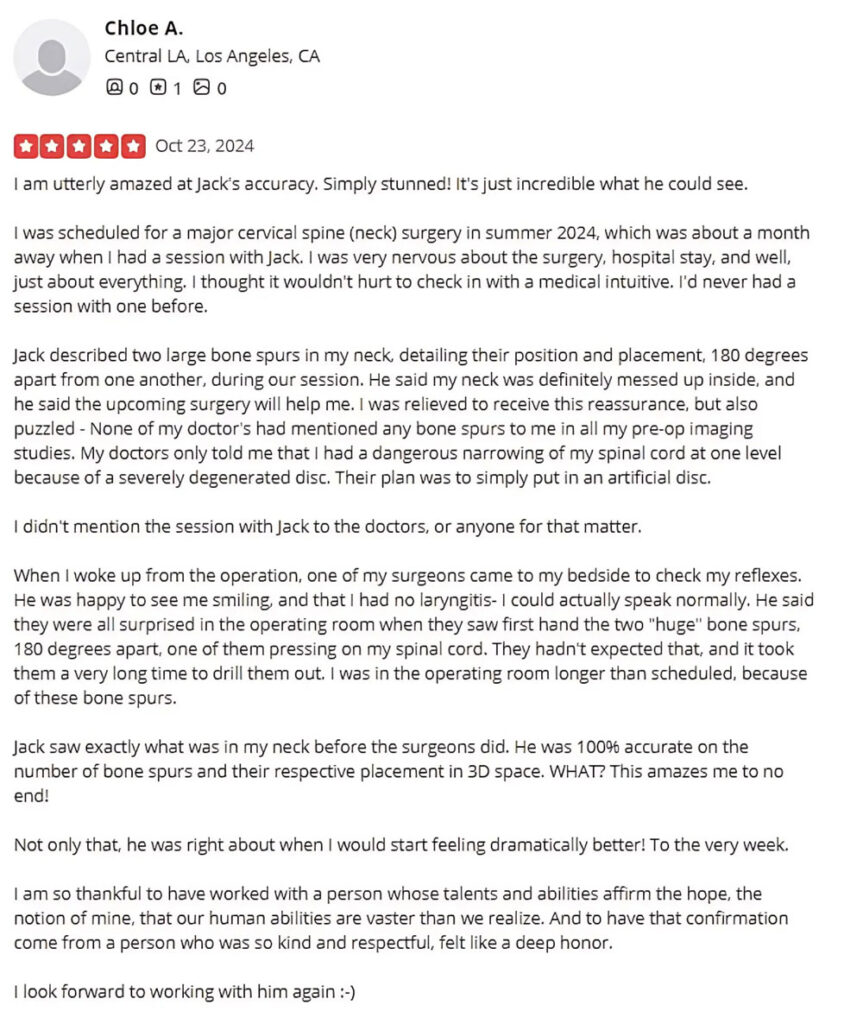
In a world where the mystical and the practical often intersect, extrasensory perception (ESP) is evolving from the realm of mere psychic entertainment into that of professional helping services. Once confined to the edges of curiosity and spectacle, ESP is now recognized for its potential as a tool for genuine support and guidance. This transformation is reshaping our perception of psychic abilities in our everyday lives.
For many, the concept of psychic counseling evokes images of crystal balls and tarot cards. However, an increasing number of professionals are incorporating ESP into structured helping processes, offering real-world guidance beyond entertainment. This shift is more than a trend; it represents a deeper understanding of human consciousness and its untapped potential. Experts like Jack Rourke illuminate the journey from the mystical to the practical, exploring the applications of ESP in professional contexts. For more insights into how ESP can be integrated into structured helping processes, visit Jack Rourke’s website.
The Evolution of Extrasensory Perception: From Entertainment to Guidance
Have you ever reflected on the potential of extrasensory perception (ESP) beyond the realm of entertainment? Traditionally associated with fortune tellers and mystics, ESP is steadily finding its place in professional helping services. How did this transition from a form of psychic entertainment to a respected tool for real-world guidance occur?
This shift began with recognizing the limitations of traditional counseling methods in addressing modern-day challenges. As individuals and professionals sought more holistic approaches, ESP emerged as a viable option, offering insights not readily available through conventional means. By tapping into the subtleties of human consciousness, practitioners can foster a deeper understanding of personal experiences, thus enhancing counseling effectiveness.
Moreover, scientific studies have played a crucial role in this evolution. Research conducted by the Institute of Noetic Sciences revealed that individuals trained in ESP techniques showed significant improvement in perceiving and interpreting emotional cues. This supports the notion that psychic abilities can be harnessed for therapeutic purposes, providing an additional layer of support for those seeking help.
The changing perception of ESP is also reflected in its integration into structured helping processes. By offering real-world guidance through personalized sessions, practitioners are reshaping the landscape of mental health services. These sessions often combine traditional counseling techniques and ESP methodologies, allowing for a more comprehensive understanding of a client’s needs.
In summary, the journey of ESP from mystical entertainment to a respected component of professional helping services demonstrates its untapped potential. With continued research and integration into mainstream practices, ESP is poised to further transform how we approach mental health and personal development.
Understanding the Basics: What is Extrasensory Perception?
Have you ever wondered what lies beyond the five senses? While most rely on sight, sound, touch, taste, and smell to navigate the world, some claim to possess an additional sense—extrasensory perception (ESP). As ESP transitions from psychic entertainment to a tool for professional helping services, it becomes essential to understand its true nature and potential.
Debunking Myths: Moving Beyond Psychic Entertainment
The mystical allure of ESP has long fueled misconceptions, often painting it as mere psychic entertainment for thrill-seekers. The reality, however, is far more nuanced. While many envision ESP as mind-reading or predicting the future, it encompasses a range of abilities, such as telepathy, clairvoyance, and precognition. These phenomena are not just about flashy performances but can offer real-world guidance when applied correctly.
To move beyond these myths, it’s crucial to recognize that ESP is not about performing tricks but enhancing human understanding. Practitioners like Jack Rourke emphasize integrating ESP into structured helping processes, where it serves as a valuable complement to traditional methods. By focusing on the subtleties of human consciousness, ESP can offer deeper insights into personal experiences, enriching the counseling process.
The Science and Skepticism Surrounding ESP
Despite its growing acceptance, ESP remains a topic of debate within the scientific community. Skeptics often question the veracity of ESP claims, citing a lack of empirical evidence. However, several studies have explored the potential of these abilities. According to research by the Institute of Noetic Sciences, individuals trained in ESP techniques showed enhanced capabilities in perceiving emotional cues, suggesting a tangible benefit to its application.
As the conversation around ESP evolves, it’s essential to balance scientific skepticism with open-minded exploration. While evidence is still emerging, the potential for ESP to transform professional helping services cannot be ignored. By continuing to study and understand these abilities, new ways to support personal and mental well-being may be unlocked.
Integrating ESP into Professional Helping Services
Imagine a future where therapy is enhanced by tapping into abilities beyond our traditional five senses. As the boundaries of conventional counseling expand, integrating extrasensory perception (ESP) into professional helping services offers promising new pathways for personal guidance. This section delves into how psychic counseling provides real-world guidance and the necessary training and certification to uphold professional standards.
The Role of Psychic Counseling in Real-World Guidance
As more people seek holistic approaches to personal development, psychic counseling has emerged as a viable option for those looking to explore beyond traditional therapy. Unlike its portrayal in popular media, where it’s often relegated to entertainment, psychic counseling involves practitioners using ESP to gain insights into emotional and psychological states. This approach allows for a deeper understanding of a client’s experiences and challenges.
Practitioners like Jack Rourke have been at the forefront of integrating ESP into counseling, showcasing how these abilities can complement traditional methods. By focusing on the subtleties of human consciousness, practitioners can provide real-world guidance that addresses the complex nuances of mental health. This integration not only enriches the counseling experience but also empowers individuals to make informed decisions based on a broader spectrum of insights.
Training and Certification: Ensuring Professional Standards
As ESP gains traction within professional settings, standardized training and certification becomes increasingly important. Ensuring that practitioners are well-equipped to use these abilities responsibly is crucial for maintaining the integrity of professional helping services. Training programs focus on developing practitioners’ understanding of extrasensory perception and its ethical application in therapeutic contexts.
- Comprehensive coursework covering the science and application of ESP.
- Practical training sessions that allow practitioners to hone their skills in real-world settings.
- Ongoing assessments to ensure practitioners maintain high standards of practice.
These measures not only enhance the credibility of psychic counseling but also reassure clients of the professionalism and effectiveness of these services. As the field continues to evolve, such standards will be essential in fostering trust and encouraging more people to explore the benefits of ESP within a professional framework.
Real-World Applications of ESP in Helping Professions
Have you ever considered how extrasensory perception (ESP) can be more than just an intriguing concept? As it makes its way into the professional helping sphere, ESP is revolutionizing how guidance and support are offered to individuals. This section delves into the practical applications of ESP, showcasing its success stories, challenges, and innovative collaborations in psychic counseling services.
Case Studies: Success Stories and Challenges
To truly understand ESP’s impact in helping professions, examining real-world scenarios where it has made a difference is essential. For instance, a counselor integrated ESP techniques to aid a client struggling with unresolved grief. Through psychic counseling, the practitioner provided insights that traditional methods had missed, leading to a breakthrough in the client’s emotional healing.
However, the journey is not without hurdles. A common challenge faced by practitioners is gaining acceptance within mainstream mental health communities. Skepticism and a lack of empirical evidence can hinder wider adoption of ESP techniques. Yet, as highlighted by the Institute of Noetic Sciences, ongoing research continues to validate the potential benefits of ESP, paving the way for broader acceptance.
These case studies highlight the transformational power of ESP when applied thoughtfully and ethically, turning skepticism into belief through tangible results.
Collaborations and Innovations in Psychic Counseling Services
The integration of ESP into helping professions is driven by collaborations between traditional therapists and psychic counselors. This synergy fosters innovative approaches that blend conventional therapeutic techniques with ESP insights. Such collaborations are not only enhancing the quality of care but are also reshaping the landscape of mental health services.
One notable innovation is the development of training programs that equip counselors with ESP skills. These programs emphasize ethical practice and the responsible use of ESP, ensuring practitioners are well-prepared to offer real-world guidance. By fostering these professional standards, the field is gaining legitimacy and attracting more individuals interested in holistic approaches to mental well-being.
As these collaborations and innovations continue to evolve, they highlight the untapped potential of ESP in professional settings. By bridging the gap between traditional and psychic methodologies, extrasensory perception is poised to play a significant role in the future of helping professions.
Embracing the Potential of ESP in Professional Services
The evolution of extrasensory perception (ESP) from mere psychic entertainment to a respected component of professional helping services underscores its transformative power in providing real-world guidance. By moving beyond myths and embracing its nuances, ESP offers a deeper understanding of human consciousness, which traditional counseling methods might overlook. This shift is bolstered by growing scientific exploration and real-world applications that validate ESP’s potential in enhancing personal and mental well-being.
As the field matures, rigorous training and certification become increasingly important, ensuring practitioners uphold high professional standards. The integration of ESP into counseling processes is not just a passing trend but an innovative approach that enriches care quality. Collaborations between psychic counselors and conventional therapists are fostering new methodologies, paving the way for holistic mental health solutions.
With continuous research and ethical application, ESP is poised to reshape therapeutic practices, offering profound insights into the complexities of the human experience. For those curious about the intersection of ESP and professional helping services, exploring insights from experts like Jack Rourke offers valuable perspectives.