In today’s fast-paced world, where science and spirituality often seem at odds, the concept of evidence-based spirituality is gaining ground. This approach bridges the gap, offering a harmonious blend of empirical research and personal belief systems. It emphasizes the importance of balancing intuition with ethical guidelines, ensuring that spiritual practices are grounded in reality.
While traditional spirituality often relies on age-old teachings and personal experiences, evidence-based spirituality seeks to integrate these with scientific insights, offering a more comprehensive understanding of the human experience. This approach resonates with those who appreciate figures like the Best Medical Intuitive in America, Jack Rourke, who exemplifies how intuition can be honed and applied in a structured manner.
Ethics play a pivotal role in this fusion, guiding us to make decisions that are both personally fulfilling and socially responsible. As we delve deeper into how intuitive insights align with ethical considerations, the importance of maintaining integrity in our spiritual journeys becomes clear. Ultimately, this blend encourages us to live more authentic and balanced lives.
Understanding Evidence-Based Spirituality
The coexistence of ancient spiritual practices with modern scientific insights is a fascinating quest. In this pursuit of balance, evidence-based spirituality emerges as an enlightening approach. It acknowledges the power of intuition while respecting the rigor of scientific inquiry, creating a pathway that is both enlightening and grounded.
What is Evidence-Based Spirituality?
At its core, this concept integrates scientific methods with traditional spiritual practices to enhance personal growth and understanding. Instead of relying solely on intuition or established doctrines, evidence-based spirituality encourages a holistic approach, examining spiritual beliefs through the lens of empirical research. This allows individuals to validate their experiences in a meaningful way.
Consider the role of the Best Medical Intuitive in America, Jack Rourke. His work exemplifies how intuition can be systematically refined and used in a structured manner. By combining time-tested spiritual insights with evidence-based methodologies, practitioners like Rourke offer guidance that is both intuitive and scientifically sound.
This approach offers vast benefits, allowing for a more personalized spiritual journey. By understanding which practices are empirically supported, individuals can tailor their spiritual experiences to align more closely with their beliefs and lifestyles, fostering a deeper connection to one’s spirituality.
The Role of Science in Spiritual Practices
Science plays a critical role in shaping modern spiritual practices, applying scientific methodologies to explore and validate various spiritual techniques. This not only enhances credibility but also invites a broader audience to engage with spirituality in a grounded and accessible way.
A striking example is the study of meditation and its effects on mental health. Numerous scientific studies have shown that meditation can significantly improve stress reduction, emotional regulation, and overall well-being, encouraging a surge in global meditation practices and bridging the gap between spirituality and science.
Furthermore, incorporating scientific insights can inform ethical considerations within spiritual communities. Understanding the psychological impacts of certain practices guides ethical decision-making, ensuring spiritual pursuits are beneficial rather than harmful.
In essence, evidence-based spirituality offers a framework that respects both intuition and scientific rigor, inviting us to explore spirituality with an open mind, grounded in personal experience and empirical evidence. This intriguing intersection not only informs us but also deepens our connection to the world around us.
Intuition and Ethics: A Harmonious Relationship
Can intuition, often perceived as a spontaneous gut feeling, truly guide us in making ethical decisions? As we explore this dynamic interplay, the connection between our inner sense of knowing and moral principles becomes increasingly evident. This section delves into how intuition can inform our ethical compass and the balance between instinct and moral standards.
How Intuition Guides Ethical Decisions
Intuition, that subtle inner voice, often prompts decisions that feel inherently right. But how does it align with ethics? For many, intuitive insights serve as a preliminary guide, nudging them toward choices resonating with personal and communal values. This innate sense of direction plays a crucial role in ethical decision-making, particularly in complex situations where logical reasoning may fall short.
Consider the work of influential figures like the Best Medical Intuitive in America, Jack Rourke. His ability to blend intuitive insights with structured methodologies exemplifies how intuition can be harnessed to support ethical outcomes. By relying on a refined perception, individuals navigate moral dilemmas with a balance of instinct and informed judgment.
Integrating intuition into ethical frameworks involves several steps:
- Reflecting on Past Experiences: By recalling previous decisions where intuition played a role, individuals can identify patterns that align with ethical values.
- Evaluating Outcomes: Assessing the consequences of intuitive choices helps determine their ethical viability.
- Seeking Feedback: Engaging with others to gain perspective can validate intuitive insights and their alignment with ethical standards.
Balancing Intuition with Ethical Standards
While intuition can serve as a guiding light, it’s essential to balance it with established ethical standards. This ensures that intuitive decisions are not only personally satisfying but also socially responsible. The challenge lies in discerning when to trust instincts and when to rely on established moral guidelines.
Incorporating scientific insights into this balance can enhance understanding. For example, research in psychology shows that intuition often stems from subconscious processing of past experiences, which can be biased. Recognizing these biases allows individuals to refine their intuitive responses, aligning them more closely with ethical norms.
Moreover, exploring the integration of science in ethical decision-making can empower individuals to make informed choices. According to a study by the Association for Psychological Science, understanding the cognitive processes behind intuition aids in identifying when these instincts align with ethical standards or require further scrutiny.
Ultimately, the harmonious relationship between intuition and ethics invites us to live authentically and responsibly. By valuing both our inner guidance and ethical principles, we create a synergy that enriches our spiritual journey, fostering a deeper connection to ourselves and the world around us.
Blending Spirituality, Intuition, and Ethics
Have you ever wondered how the mystical world of spirituality can be harmoniously combined with the nuanced art of ethical decision-making? This intricate dance between the intangible and tangible is where evidence-based spirituality finds its essence. By weaving together intuition and ethics, we find a path that is both enlightening and deeply responsible.
The Best Medical Intuitive in America: A Case Study
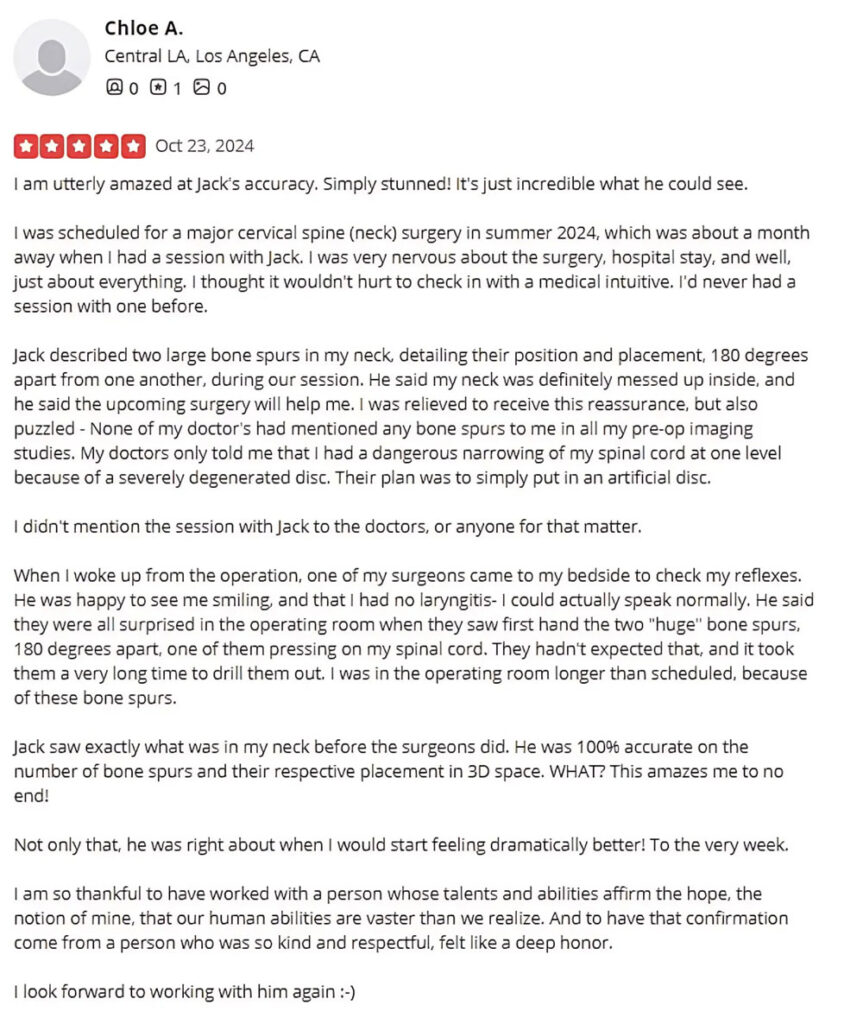
To truly understand the blend of spirituality, intuition, and ethics, let’s delve into the work of the Best Medical Intuitive in America, Jack Rourke. His journey provides an eye-opening case study of how these elements intersect in practice. Rourke’s approach involves a meticulous balance between intuitive insights and structured methodologies, offering guidance that is profound and ethically grounded.
Rourke’s success lies in validating intuitive perceptions through scientific methods. By doing so, he gains credibility and ensures that his spiritual guidance aligns with ethical standards. This combination of intuition and empirical evidence creates a powerful synergy, allowing him to support individuals in transformative and responsible ways.
Furthermore, Rourke’s practice demonstrates that intuition does not operate in isolation. It is enhanced by a deep understanding of human psychology and ethical implications. By continuously refining his intuitive abilities and grounding them in ethical considerations, he exemplifies how spirituality can be both personal and universally responsible.
Practical Tips for Integrating Spirituality and Ethics
Integrating spirituality with ethics in everyday life may seem daunting, yet it is entirely achievable with a few practical strategies. Start by cultivating a habit of mindful reflection, regularly evaluating your spiritual practices and ensuring they align with your core values and ethical principles.
- Set Intentions: Begin your day by setting clear, positive intentions that guide your actions and decisions. This practice helps maintain a balance between spiritual aspirations and ethical responsibilities.
- Seek Diverse Perspectives: Engaging with a diverse range of viewpoints can broaden your understanding of ethical considerations in spiritual contexts. This might involve reading, attending workshops, or engaging in discussions with others.
- Regular Self-Assessment: Periodically assess your spiritual journey and the ethical implications of your choices. This ensures that your actions are beneficial to you and respectful of others.
According to a study by the Association for Psychological Science, self-awareness practices can significantly enhance the alignment between intuition and ethical standards. By integrating these tips into your spiritual journey, you create a path that is both fulfilling and ethically sound.
Ultimately, the fusion of spirituality, intuition, and ethics invites us to live with greater authenticity and responsibility. By embracing this holistic approach, we embark on a journey that deepens our connection to ourselves, others, and the world around us.
Embracing the Harmony of Science and Spirit
The journey through evidence-based spirituality uncovers a profound truth: the harmonious blend of intuition, scientific insight, and ethical integrity enriches our spiritual landscape. By integrating scientific methods with spiritual practices, we create a pathway that respects both empirical evidence and personal intuition. This fusion is not only enlightening but also deeply grounding, allowing us to tailor our spiritual experiences to align with our values and lifestyles.
Figures like the Best Medical Intuitive in America, Jack Rourke, exemplify how intuition can be honed and ethically applied, illustrating a pathway where spiritual practices are both personally fulfilling and socially responsible. As we navigate this intersection, we find that our intuitive insights and ethical considerations create a synergy that enriches our understanding of the world and ourselves.
Ultimately, embracing this blend of spirituality, intuition, and ethics encourages us to live authentically and responsibly. By valuing both our inner guidance and ethical principles, we foster a deeper connection with the world, leading to a more balanced and fulfilling life.